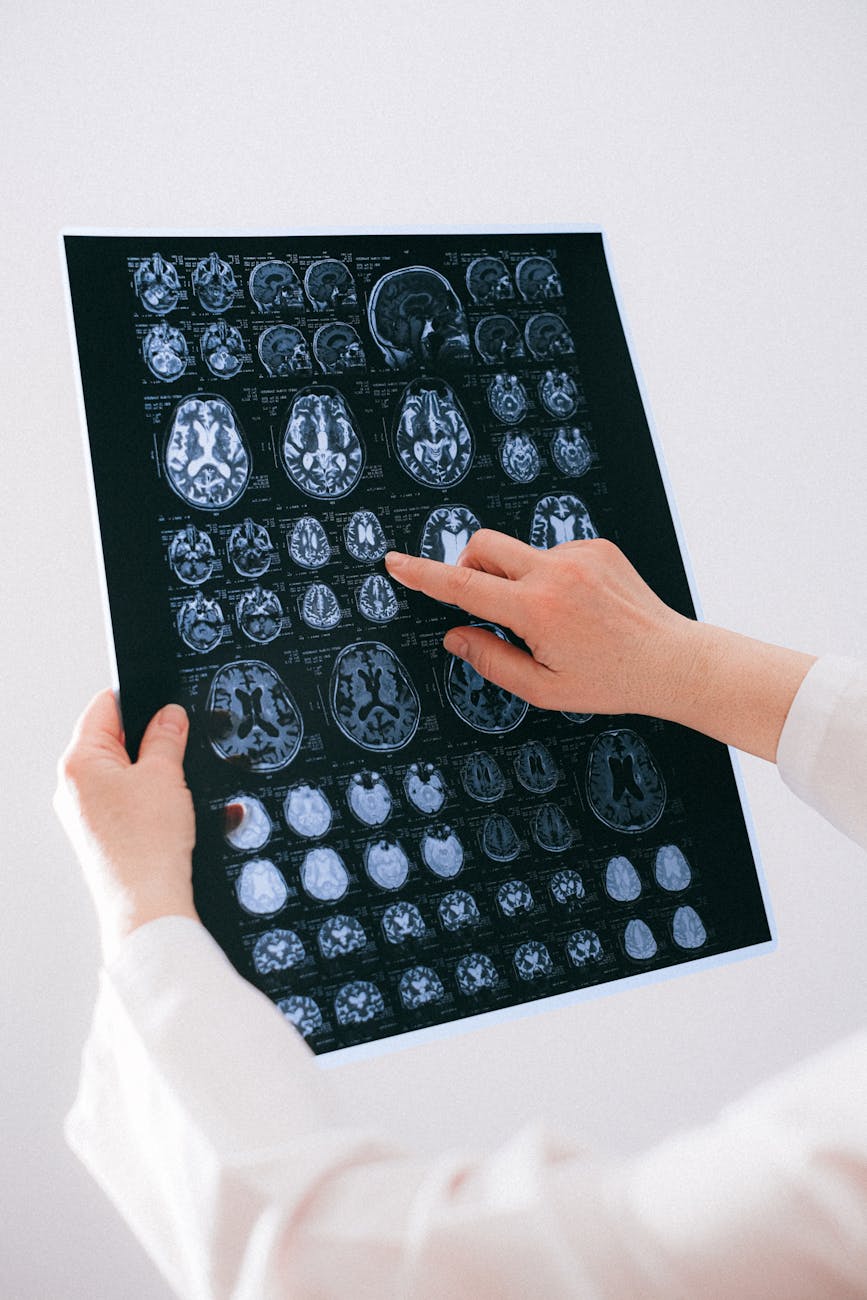
Imagine a world where diseases are predicted before symptoms appear, where diagnostic accuracy rivals that of the most seasoned specialists, and where your care plan is uniquely tailored to your biology. This is not a distant future; it is the present being shaped by artificial intelligence (AI). In hospitals and clinics worldwide, AI is moving from a futuristic concept to a fundamental tool, quietly revolutionizing every facet of patient care. From administrative efficiency to life-saving interventions, this technology is enhancing the capabilities of healthcare professionals and empowering patients. This article explores ten transformative ways AI is redefining diagnosis and treatment, offering a glimpse into a more proactive, precise, and personalized era of medicine.
Enhancing diagnostic accuracy and speed
The cornerstone of effective treatment is a swift and accurate diagnosis. AI, particularly through machine learning and deep learning algorithms, is supercharging this process. These systems are trained on vast datasets of medical images—millions of X-rays, MRIs, and CT scans—learning to detect patterns invisible to the human eye. For instance, AI models can identify early signs of diabetic retinopathy from retinal scans or pinpoint subtle indicators of lung cancer in chest radiographs with accuracy rates often matching or exceeding human radiologists. A 2023 study in Nature Medicine highlighted an AI system that could detect breast cancer in mammograms up to five years before clinical diagnosis, a breakthrough in early intervention.
Beyond imaging, AI is revolutionizing pathology. Algorithms can analyze digitized tissue slides for cancer cells faster and with less fatigue than a human pathologist, ensuring no critical detail is missed. This speed is crucial in time-sensitive scenarios like stroke diagnosis. AI-powered tools can analyze a brain scan in minutes, identifying blockages or bleeds and determining the optimal treatment pathway, shaving off precious time that directly impacts patient recovery and survival rates. This augmentation of human expertise allows doctors to focus on complex cases and patient communication.
Powering predictive analytics and proactive care
Healthcare is shifting from a reactive model to a proactive one, thanks to AI-driven predictive analytics. By analyzing electronic health records (EHRs), genetic information, lifestyle data, and even real-time data from wearable devices, AI can identify patients at high risk for developing specific conditions. Hospitals are using these systems to predict the likelihood of hospital-acquired infections, sepsis, or patient deterioration hours before it becomes clinically apparent. For example, an AI model deployed at several U.S. hospitals analyzes over 200 patient variables every hour to predict sepsis, enabling early antibiotic administration and significantly reducing mortality rates.
This predictive power extends to chronic disease management. AI can forecast potential complications in patients with diabetes, heart failure, or chronic obstructive pulmonary disease (COPD), allowing for preemptive adjustments to treatment plans. Furthermore, on a population health level, AI models can analyze trends to predict disease outbreaks, helping public health officials allocate resources more effectively. This forward-looking approach not only improves individual outcomes but also alleviates strain on healthcare systems by preventing emergencies before they occur.
Personalizing treatment and precision medicine
The era of one-size-fits-all medicine is ending. AI is the engine behind precision medicine, which tailors treatment to an individual’s unique genetic makeup, lifestyle, and disease profile. By sifting through complex genomic data, AI can identify which mutations are driving a patient’s cancer and predict which targeted therapies or immunotherapies will be most effective. This avoids the trial-and-error approach of traditional chemotherapy, sparing patients from ineffective treatments and harsh side effects. The field of oncology has been a primary beneficiary, with platforms like IBM Watson for Genomics helping oncologists identify personalized treatment options.
Personalization also applies to drug discovery and development. AI can simulate how different compounds will interact with biological targets, accelerating the identification of promising new drug candidates and reducing the decade-long, billion-dollar traditional development timeline. For existing medications, AI systems can analyze real-world data to determine optimal dosing for different patient subgroups, maximizing efficacy and minimizing adverse reactions. This level of customization ensures that the right patient gets the right drug at the right dose at the right time.
Streamlining administrative operations and patient engagement
A significant portion of healthcare costs and clinician burnout stems from administrative burdens. AI is automating these tedious tasks, freeing up staff for patient-facing work. Natural Language Processing (NLP) algorithms can transcribe clinical notes during patient visits, auto-populate EHRs, and handle prior authorization requests with insurers. Intelligent scheduling systems optimize appointment bookings, reduce no-shows through automated reminders, and manage operating room logistics for maximum efficiency.
For patients, AI-powered virtual health assistants and chatbots are providing 24/7 access to reliable medical information, triaging symptoms, and answering routine questions. These tools can:
- Schedule appointments and send medication reminders.
- Provide post-discharge follow-up instructions and monitor recovery.
- Offer mental health support through conversational therapy apps.
This not only improves the patient experience by offering convenience and continuous support but also reduces unnecessary clinic visits and readmissions, allowing healthcare providers to focus on more critical cases.
Assisting in surgery and rehabilitation
In the operating room, AI is enhancing the precision and safety of surgical procedures. Robotic-assisted surgery systems, like the da Vinci, are increasingly integrated with AI software that provides surgeons with enhanced visualization, tremor filtration, and movement precision. More advanced systems can use pre-operative scans to create a 3D model of the surgical site, helping plan the optimal approach. Some AI platforms offer real-time guidance during surgery, alerting surgeons to proximity to critical structures like nerves or blood vessels, thereby minimizing complications.
The role of AI continues post-operation in rehabilitation. Smart prosthetics with AI algorithms learn the user’s movement patterns, allowing for more natural and responsive control. For patients recovering from a stroke or injury, AI-powered therapy tools and exoskeletons can provide adaptive, personalized rehabilitation exercises, tracking progress and adjusting difficulty in real-time. These technologies enable more intensive, consistent, and data-driven recovery, often allowing patients to undergo effective therapy at home, improving accessibility and long-term outcomes.
The integration of artificial intelligence into healthcare is not about replacing the human touch but rather augmenting it. From enabling earlier and more accurate diagnoses to crafting deeply personalized treatment plans and freeing clinicians from administrative drudgery, AI is addressing some of the most persistent challenges in medicine. The ten transformations outlined here—spanning diagnostics, prediction, personalization, administration, and direct intervention—paint a picture of a more efficient, equitable, and effective healthcare system. As this technology continues to evolve, its potential to save lives and improve well-being is boundless. For readers, the key takeaway is to be an informed participant in this change: ask your healthcare providers about AI-assisted tools relevant to your care, explore reputable health apps that leverage AI for wellness, and stay curious about the innovations that are making the art of healing more of a precise science.
Leave a Reply