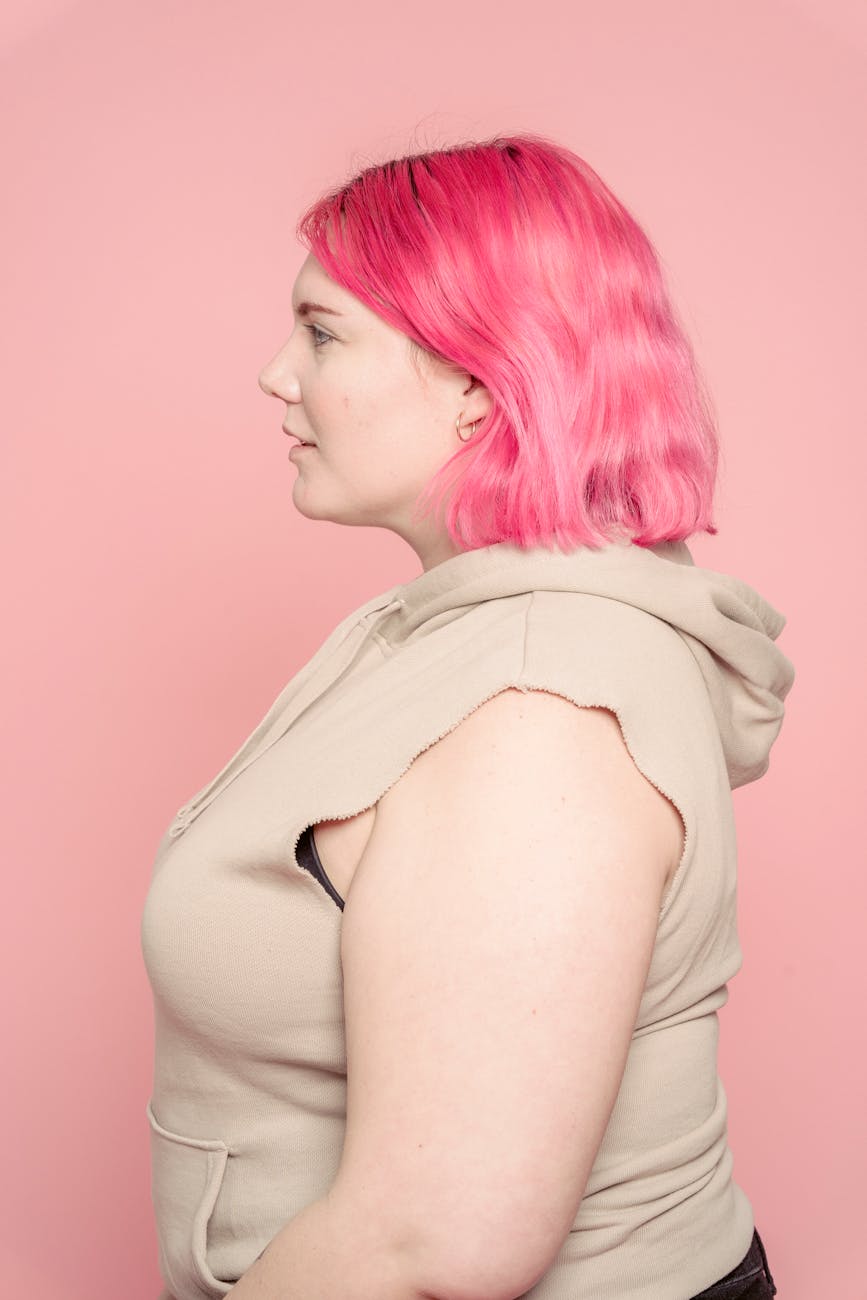
What does it truly mean to be beautiful? In an era saturated with curated images and prescriptive beauty standards, the pursuit often feels like a relentless, exhausting competition against an impossible ideal. We spend billions on products and procedures, yet the goalpost of beauty seems to perpetually shift. This article moves beyond the superficial layer of cosmetics and fashion to deconstruct the very architecture of beauty. We will argue that modern beauty is not a static state to be achieved, but a dynamic, multi-dimensional experience cultivated from within. The central question we explore is: How can we transition from consuming beauty to consciously creating a resonant, authentic, and sustainable version of it for ourselves?
Is Beauty Defined by Genetics or by Perception?
For decades, the narrative suggested beauty was a genetic lottery. While facial symmetry, clear skin, and specific proportions are cross-culturally recognized as attractive, this biological determinism tells only a fraction of the story. Neuroscience and psychology reveal a more complex picture: beauty is fundamentally an experience generated in the brain of the beholder, influenced by context, familiarity, and emotional resonance. The “halo effect,” where we attribute positive qualities like kindness and intelligence to physically attractive people, demonstrates that our perception of beauty is deeply entangled with our perception of character. Therefore, the quest to “be beautiful” is less about altering fixed features to match a universal template and more about influencing the perceptual field around you.
Solution: Cultivate “beauty signals” that go beyond the physical. This involves intentional non-verbal communication: confident posture, genuine eye contact, and open body language. A 2017 study in the journal *Nonverbal Behavior* found that individuals exhibiting “approachability” cues (like a warm smile and attentive nodding) were rated as significantly more attractive. Furthermore, developing a signature style—a coherent way of dressing that reflects your personality—creates a memorable and authentic visual identity. The goal is to shift from asking “Am I beautiful?” to “What experience do I create when someone interacts with me?”
Can Skincare and Wellness Be a Form of Self-Respect, Not Obsession?
The wellness and skincare industries often walk a fine line between promoting health and fostering anxiety. The 10-step routines and endless “must-have” serums can feel like a burdensome chore, another item on a never-ending to-do list. This turns self-care into a performance, where the focus is on the product rather than the person. The challenge is to reframe these practices from being externally mandated to being internally motivated acts of stewardship for your body.
Solution: Adopt a “less is more, but better” philosophy grounded in consistency and knowledge. Understand your skin’s biology—is it dehydrated or truly dry? Is that redness sensitivity or a compromised barrier? Invest in a simple, effective routine (cleanse, treat, moisturize, protect) with quality ingredients. More critically, view this daily ritual not as a fight against aging, but as a mindful moment of connection with yourself. The same applies to nutrition and exercise. Choose movement you enjoy for the feeling of vitality it brings, not solely for calorie burn. This intrinsic motivation transforms maintenance from a chore into a sustainable practice of self-respect.
How Do We Reconcile Self-Acceptance with the Desire for Enhancement?
This is the modern beauty paradox: the powerful cultural movement toward body positivity and radical self-acceptance coexists with the unprecedented accessibility of cosmetic procedures, from filters to injectables. It creates a confusing tension: is wanting to change an aspect of your appearance a betrayal of self-love? The binary of “natural vs. artificial” is unhelpful. A more nuanced framework is needed.
Solution: Evaluate desires for enhancement through the lens of agency and alignment. The critical question is not “Is this procedure natural?” but “Who is this for?” and “What is my motivation?” Are you seeking a change to alleviate a deep-seated insecurity fueled by comparison, or to align your external appearance more closely with your internal sense of self? The table below contrasts different motivational frameworks:
| Motivation Driver | Source | Likely Outcome | Alignment with Authentic Beauty |
|---|---|---|---|
| External Pressure | Trends, social media comparison, comments from others | Chasing moving targets, temporary satisfaction, potential regret | Low |
| Internal Alignment | Personal comfort, expressing identity, correcting a long-term concern | Increased confidence, sense of coherence, longer-term satisfaction | High |
The key is to make choices from a place of abundance (“I am doing this for me”) rather than deficit (“I am doing this because I am not enough”).
What is the Role of Character in Lasting Beauty?
Physical attractiveness can draw attention, but character determines the quality and duration of that attention. Traits like kindness, curiosity, integrity, and passion are not merely moral virtues; they are beauty amplifiers. They shape your expression, the warmth in your eyes, and the energy you project. A person engaged in meaningful work or passionate hobbies carries a certain light that is inherently attractive. Conversely, chronic negativity, cynicism, or cruelty can overshadow even the most symmetrical features.
Solution: Invest in your “inner architecture.” Cultivate emotional intelligence to manage stress and respond to others with empathy. Practice gratitude, which studies have linked to increased optimism and better social bonds. Engage in continuous learning and develop intellectual curiosity—a lively mind is compelling. This internal work manifests externally. It softens your expression, makes your laughter genuine, and gives your presence a depth that is magnetic. This is the foundation of what we might call “charisma,” the undeniable beauty of a fully engaged person.
How Does Our Environment Shape Our Beauty Ecosystem?
We do not cultivate beauty in a vacuum. Our environment—from the digital content we consume to the people we surround ourselves with—acts as a constant feedback loop, either nourishing or depleting our sense of self. A social media feed filled with filtered perfection and comparison is a toxic soil for authentic beauty to grow. Similarly, relationships that are critical or transactional can erode confidence.
Solution: Conduct a beauty audit of your inputs. Curate your digital and physical spaces intentionally. Unfollow accounts that make you feel inadequate and seek out those that inspire diversity, creativity, and substance. Foster real-world communities that value you for your ideas and character, not just your appearance. Create a personal environment that delights your senses: a clean, organized space, music you love, nature exposure. By controlling your ecosystem, you control the narrative that shapes your self-perception.
The journey to being beautiful is, paradoxically, a journey away from a fixation on beauty as a standalone commodity. It is an integrative process of aligning your external presentation with your internal reality, making choices from a place of agency, and cultivating a character that radiates. The most compelling beauty is not the still perfection of a photograph, but the dynamic, imperfect, and resonant glow of a person fully engaged with life. The future of beauty is holistic, intelligent, and deeply personal—a conscious craft of self-expression rather than a passive adherence to trend. Stop trying to meet a standard. Start building your own.
Leave a Reply